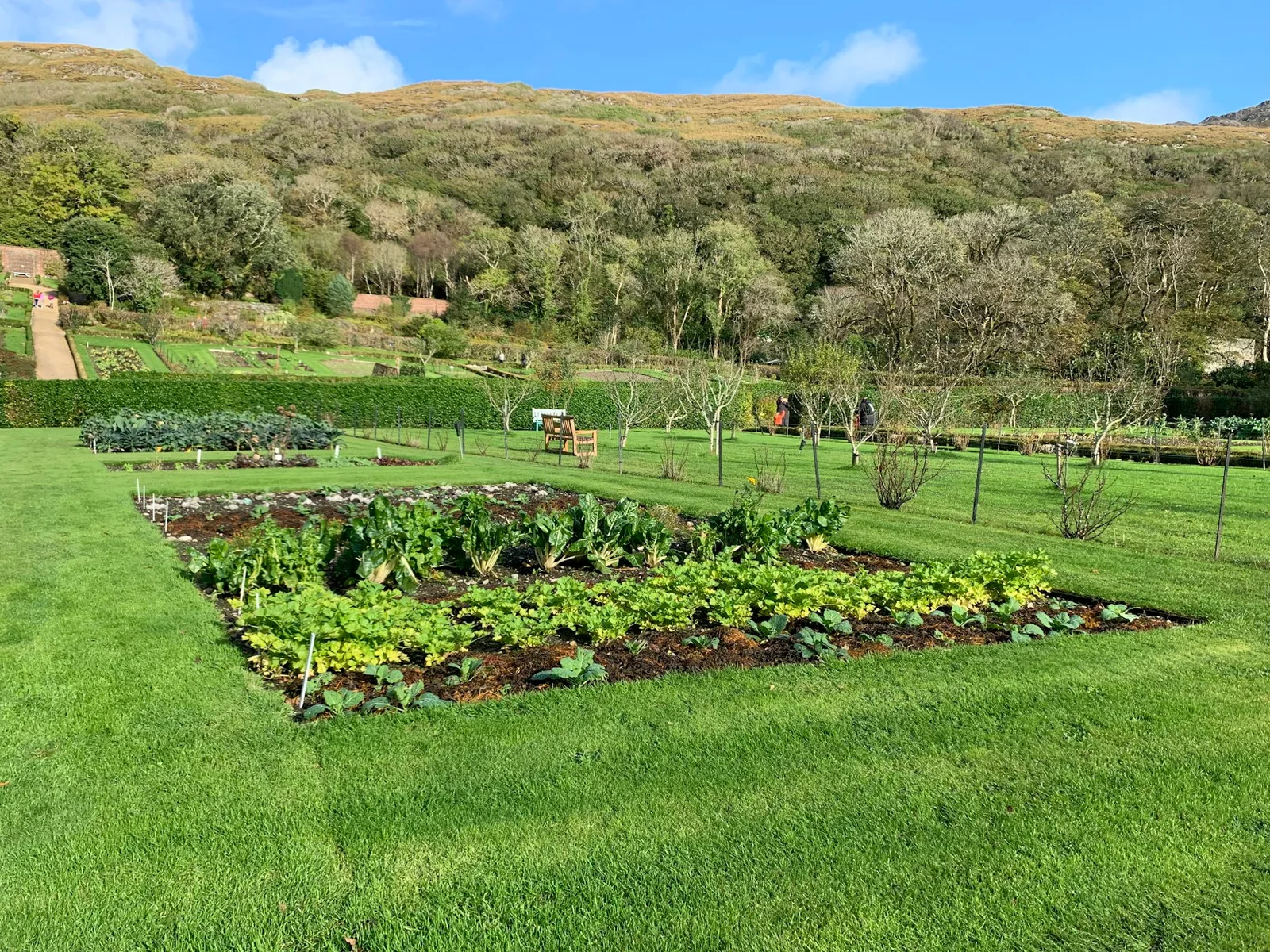
A cover crop is grown for a purpose beyond the next vegetable harvest. It may help protect an otherwise idle bed or contribute organic material. The useful choice depends on your region, planting window, and what you want to grow afterward.
Begin with the calendar
Mark the interval between the final harvest and the next crop. Then ask a local extension service which cover crops fit that window. A species that works well in one season or climate may not be appropriate elsewhere. Consider how it will be ended before selecting it.
Give the crop a job description
Write one sentence about the goal: protecting the surface over an idle period, for example. Avoid expecting one plant to solve every soil problem. The University of Maryland Extension describes cover crops as a tool for home gardens; the choice should remain specific to the bed and its management.
Try one bed first
Keep a small trial easy to observe. Record sowing, establishment, maintenance, and termination. Note whether the next planting was delayed or made easier. If a community team manages the garden, explain the purpose so someone does not mistake the crop for an abandoned patch.
At the end of the trial, compare your goal with what happened. You may decide that another species, a different planting date, or a simpler mulch suits your schedule better. Cover crops work best when their care is included in the same plan as the vegetables they accompany.
A place to begin
- Identify the gap between crops.
- Choose a species using local guidance.
- Plan termination before sowing.
Further reading
Independent educational resources to deepen your understanding. References do not imply an affiliation or endorsement.