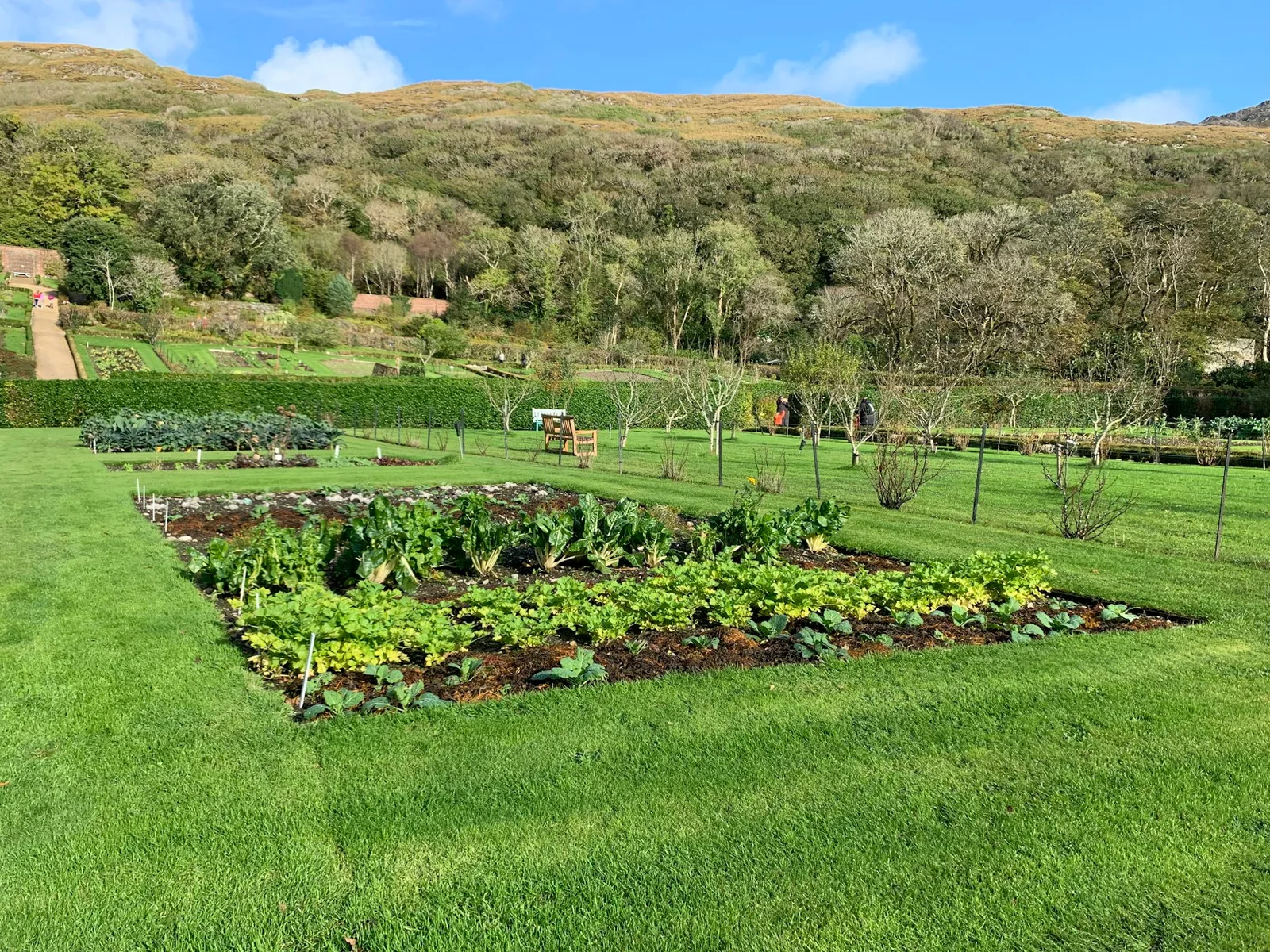
An empty garden bed can look tidy while receiving very little care. The interval between crops is a chance to consider what should cover the ground, where people should walk, and what will happen when the next rain arrives. Soil protection belongs in the planting calendar.
Start with the bed's next use
Write down when you expect to plant again. A bed waiting briefly for seedlings may need a different approach from one resting for a whole season. Also note weeds already present, the materials you have, and whether strong winds move lightweight mulch around the site.
Choose a cover deliberately
Organic mulches can protect a garden surface and gradually add organic matter. The right material and depth depend on the crop and conditions. Use a local extension guide, keep mulch away from plant stems where appropriate, and avoid material with an uncertain history of chemical contamination.
Include the paths in your plan
Watch a normal work session. Where do watering cans, wheelbarrows, or children's feet cross the growing area? A clearly defined path can make the protected bed easier to respect. Make the route comfortable enough that people actually use it.
Before the next planting, review what happened. Did the cover stay in place? Did it make watering easier to judge? Did weeds remain manageable? Take a photograph and make one adjustment. A bed does not need to look the same in every season to be cared for consistently. Planning its quiet periods is part of growing well.
A place to begin
- Record the next planting date.
- Select mulch suited to the crop and climate.
- Make paths clear and easy to use.
Further reading
Independent educational resources to deepen your understanding. References do not imply an affiliation or endorsement.