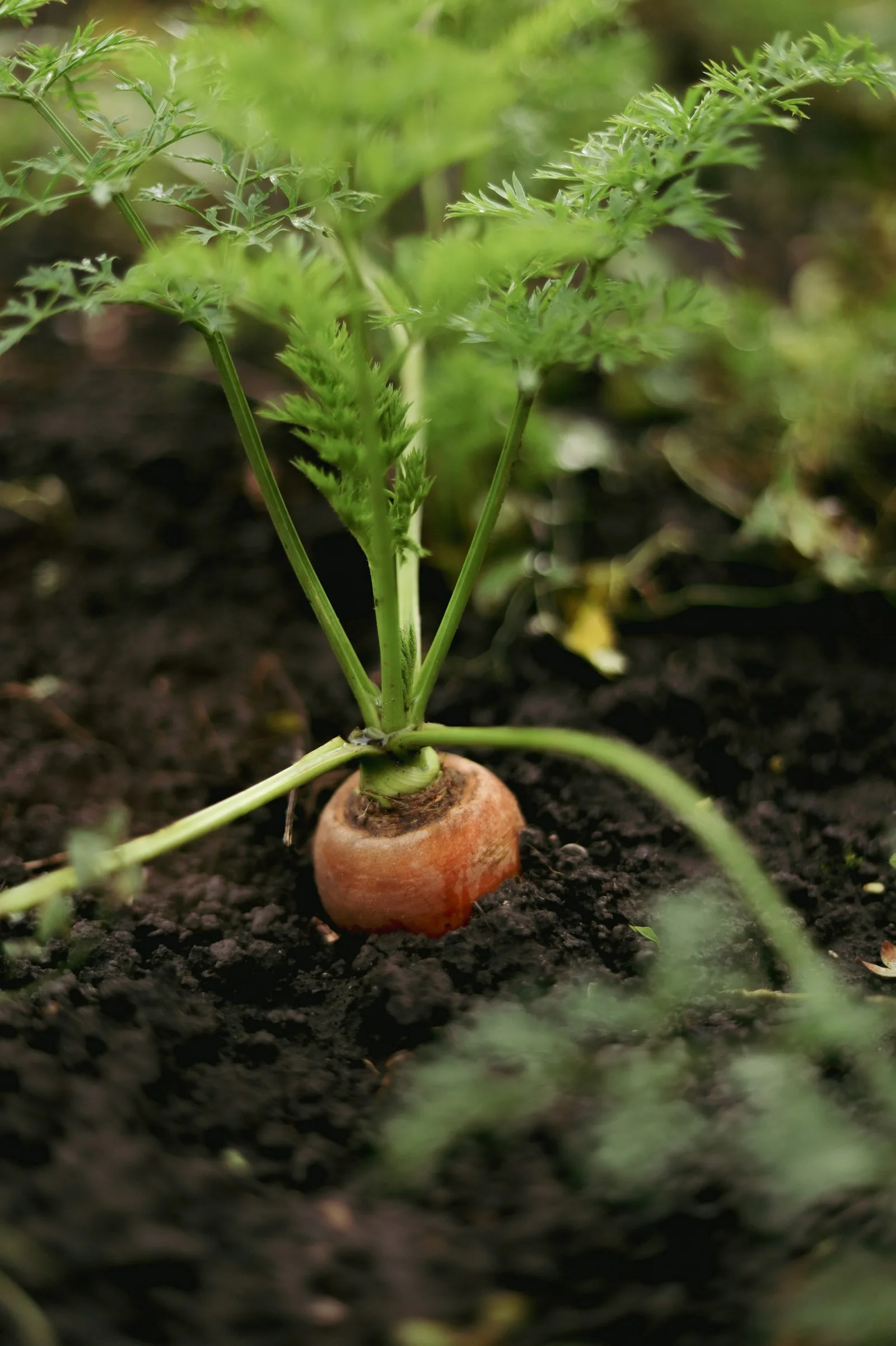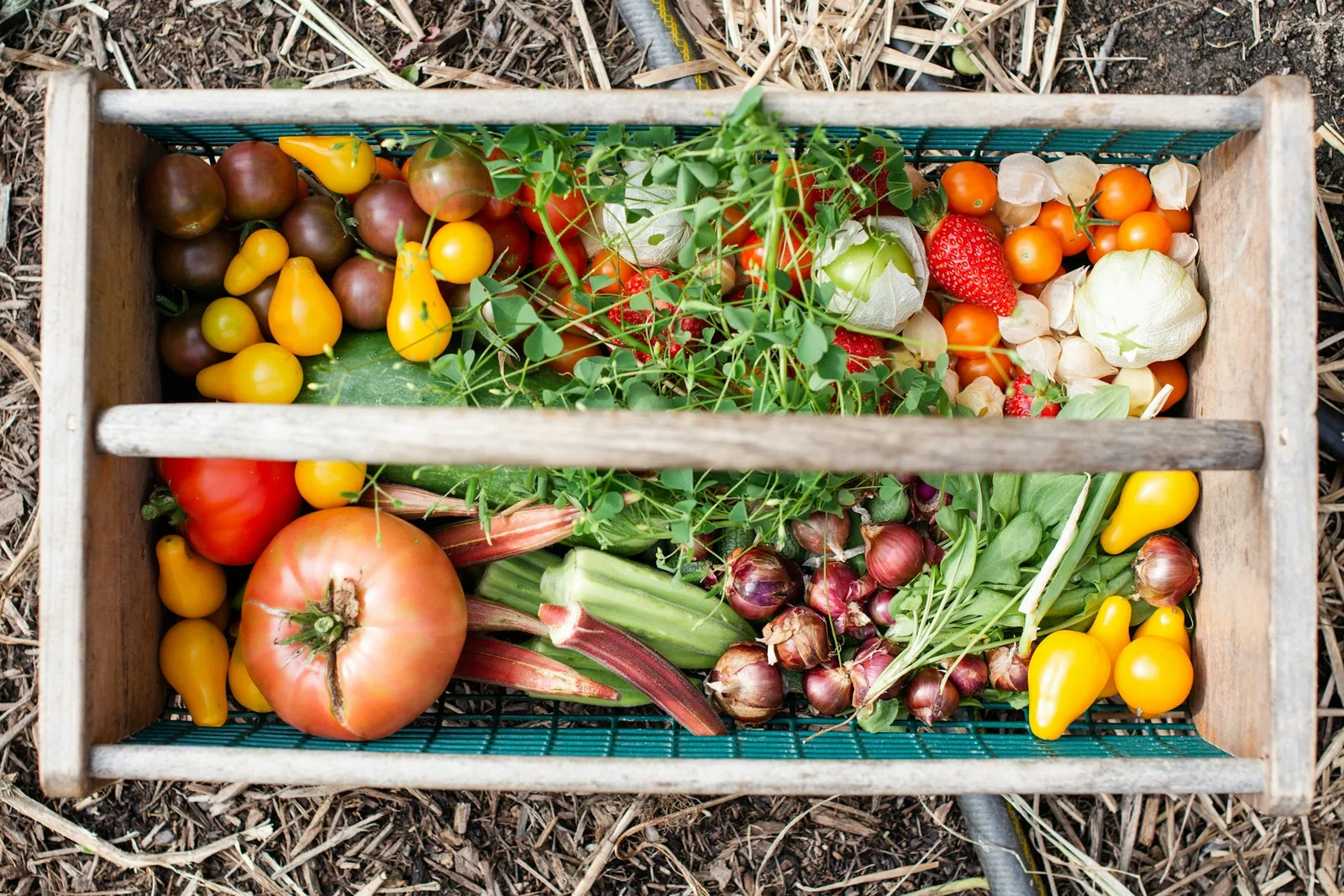
A carrot, a leaf of lettuce, and a bean invite a simple question: which part of a plant are we looking at? Everyday food can make botanical vocabulary concrete. A lesson can begin with observation before moving to a recipe or a garden visit.
Prepare a careful selection
Choose a few familiar, clearly identified foods representing different plant parts. Use reliable teaching material to confirm classifications. If tasting is included, follow the school's food-handling and allergy procedures, offer an alternative activity, and never encourage tasting unknown garden plants.
Observe before naming
Ask learners to describe shape, texture, and visible features. Then introduce the plant-part terms. Let them draw connections between the ingredient and a whole plant. The Edible Schoolyard's Plant Part Salad resource offers an example of teaching through this connection; adapt any materials according to their terms.
Invite a new question
Learners might ask where the seed comes from or which part remains after a harvest. Write these questions down and choose one to investigate in the garden. A label on a food item is only the beginning of understanding its place in a plant's life.
End with a drawing or explanation using the new vocabulary. Students can compare their first descriptions with what they can now say. Food-based learning works best when participation is welcoming, identification is accurate, and tasting remains an option rather than a test of willingness.
A place to begin
- Use clearly identified, familiar ingredients.
- Describe first, then introduce vocabulary.
- Offer participation without tasting.
Further reading
Independent educational resources to deepen your understanding. References do not imply an affiliation or endorsement.