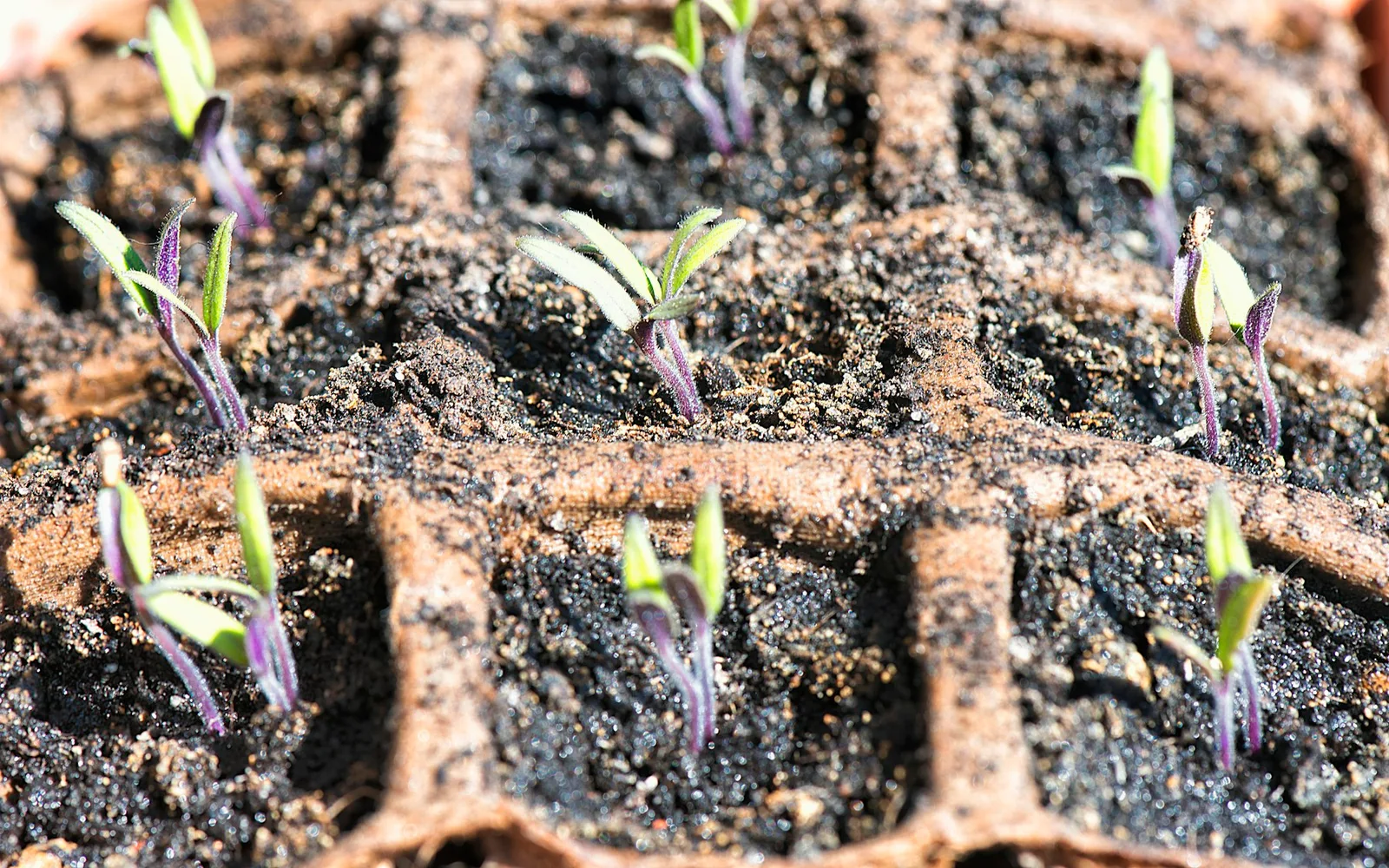
A garden visit can become more than a break from the classroom. It can provide a question worth carrying indoors: why did two seedlings grow differently, how should a bed be measured, or what changed after rain? The connection begins with a specific observation.
Choose a question together
Ask learners what they noticed and list a few questions. Select one that can be explored with the available time and equipment. Avoid turning every outdoor experience into a worksheet; the activity should help students examine something they actually encountered.
Give the observation another form
A plant measurement can become a graph. A garden description can become a short piece of writing. A bed plan can become an exercise in area and scale. The Edible Schoolyard's curriculum treats kitchen and garden experiences as connected with academic learning; your own activities can follow the same general principle without copying a lesson.
Return to the original place
Bring the classroom work back outside. Does the graph match what learners now see? Does the proposed layout fit the space? Invite revisions and explain that changing an idea in response to evidence is part of learning.
Keep the cycle manageable and repeat it. One question examined carefully can produce a richer lesson than a long list of unrelated tasks. The garden becomes a place to gather evidence, and the classroom becomes a place to make sense of it. Both experiences support the same inquiry.
A place to begin
- Start from a student observation.
- Choose one appropriate classroom connection.
- Return outside to check and revise.
Further reading
Independent educational resources to deepen your understanding. References do not imply an affiliation or endorsement.