Watering can become a habit performed without looking at the garden. A more thoughtful approach starts with the plants, the weather, and the ground. The aim is to provide what the growing space needs while noticing leaks, runoff, and unnecessary repetition.
Make a map of demand
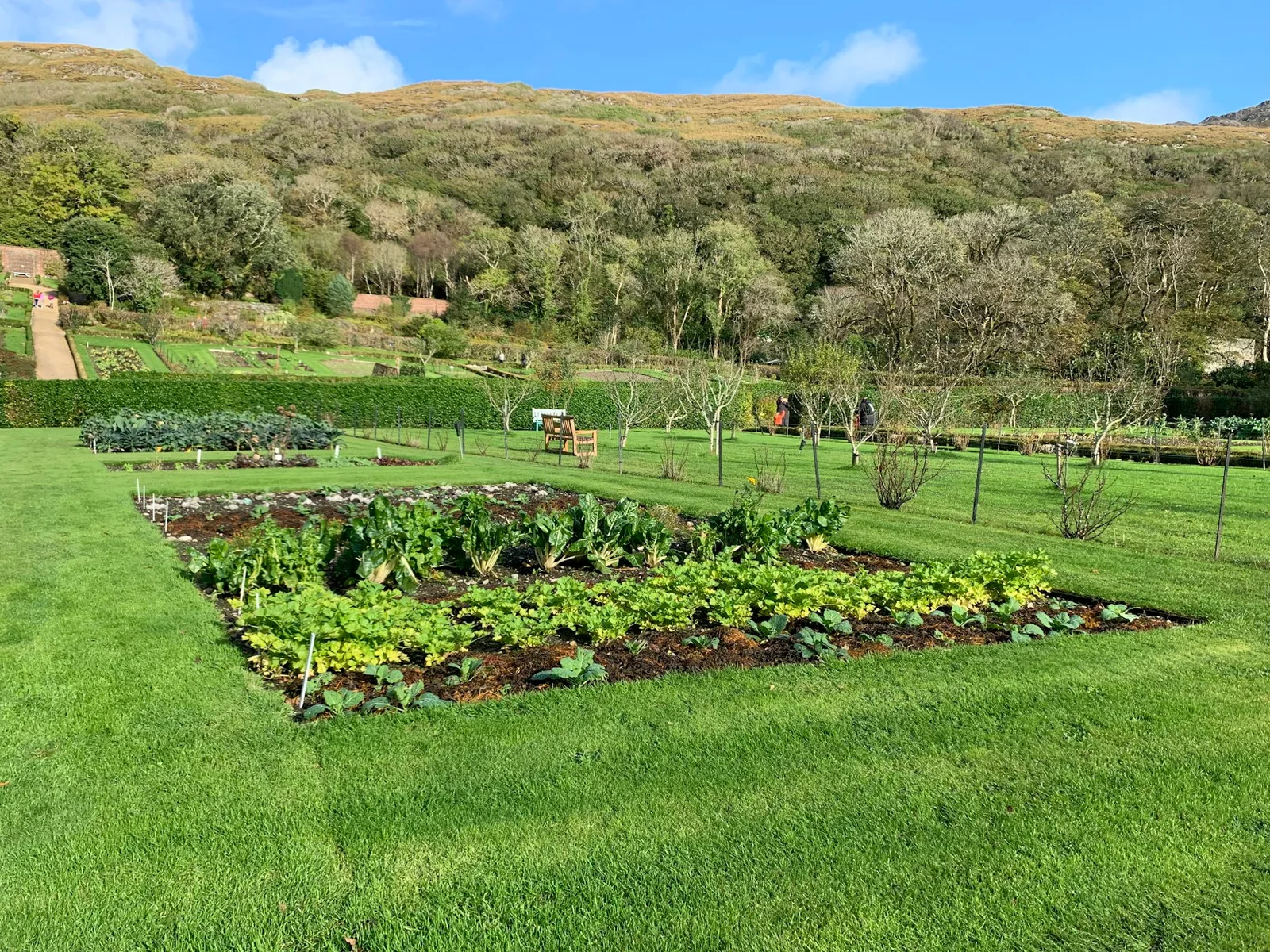
Sketch the site and mark containers, established beds, newly planted areas, and shady corners. List who waters each area. Shared gardens often discover duplicated effort when two helpful people water the same bed without speaking to one another.
Check before adding water
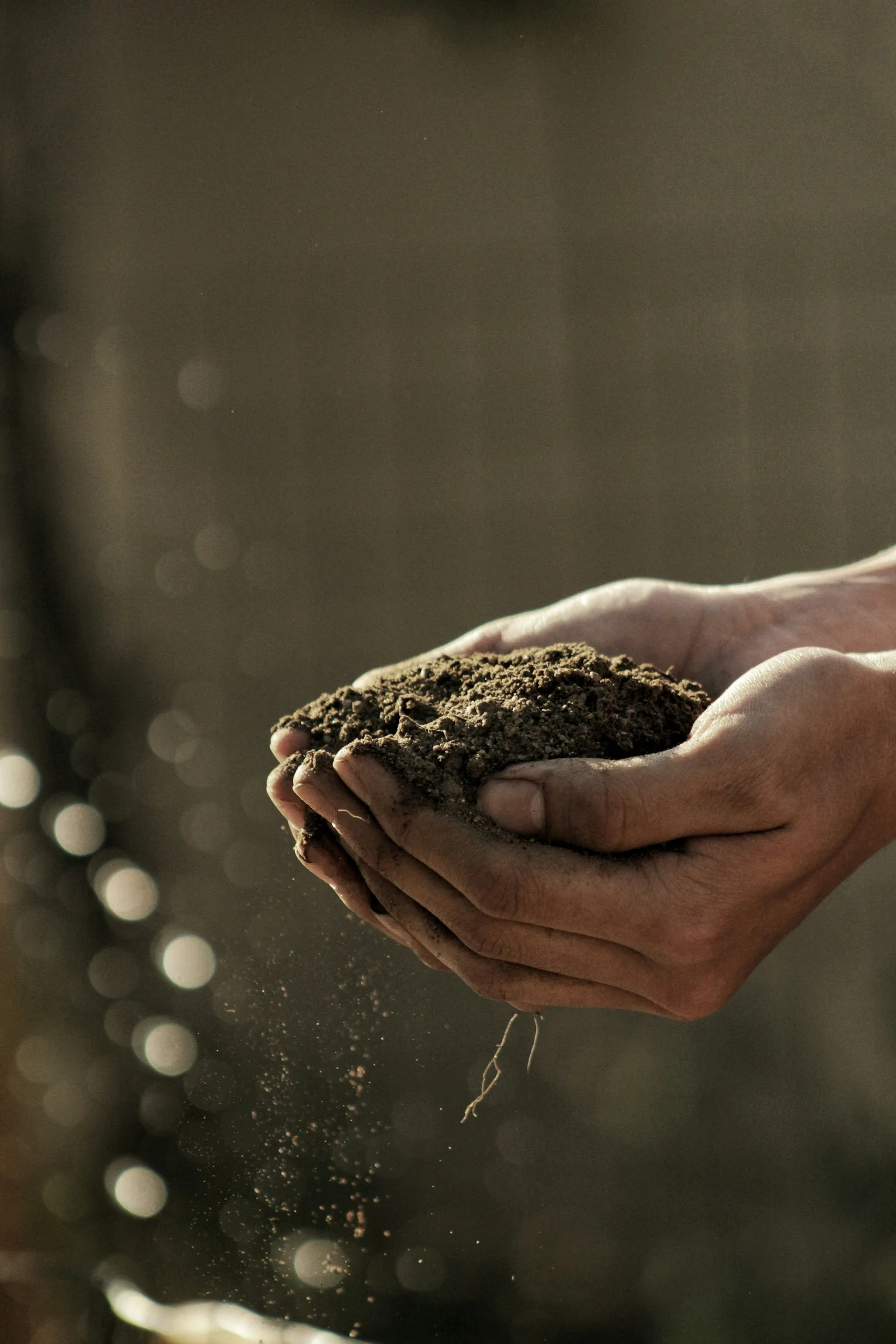
Inspect soil moisture using an appropriate method for your growing medium. Watch a watering session and see whether water reaches the intended root area or escapes across a path. EPA WaterSense encourages attention to irrigation timing, maintenance, and landscape design. Fixed schedules should be reviewed as conditions change.
Record one useful thing
For a week, write down which areas were watered and why. Include rainfall and unusually hot or windy days. You do not need an elaborate instrument panel: a notebook by the tools can make decisions easier to coordinate. Follow local water restrictions and local growing advice.
Use the record to choose a practical improvement. It might be repairing a dripping connection, moving thirsty containers into a more suitable arrangement, or giving volunteers a shared watering checklist. Water care becomes more effective when the routine is understandable and the responsibility is clear.
A place to begin
- Map the areas that need attention.
- Check conditions before watering.
- Coordinate watering through one shared record.
Further reading
Independent educational resources to deepen your understanding. References do not imply an affiliation or endorsement.