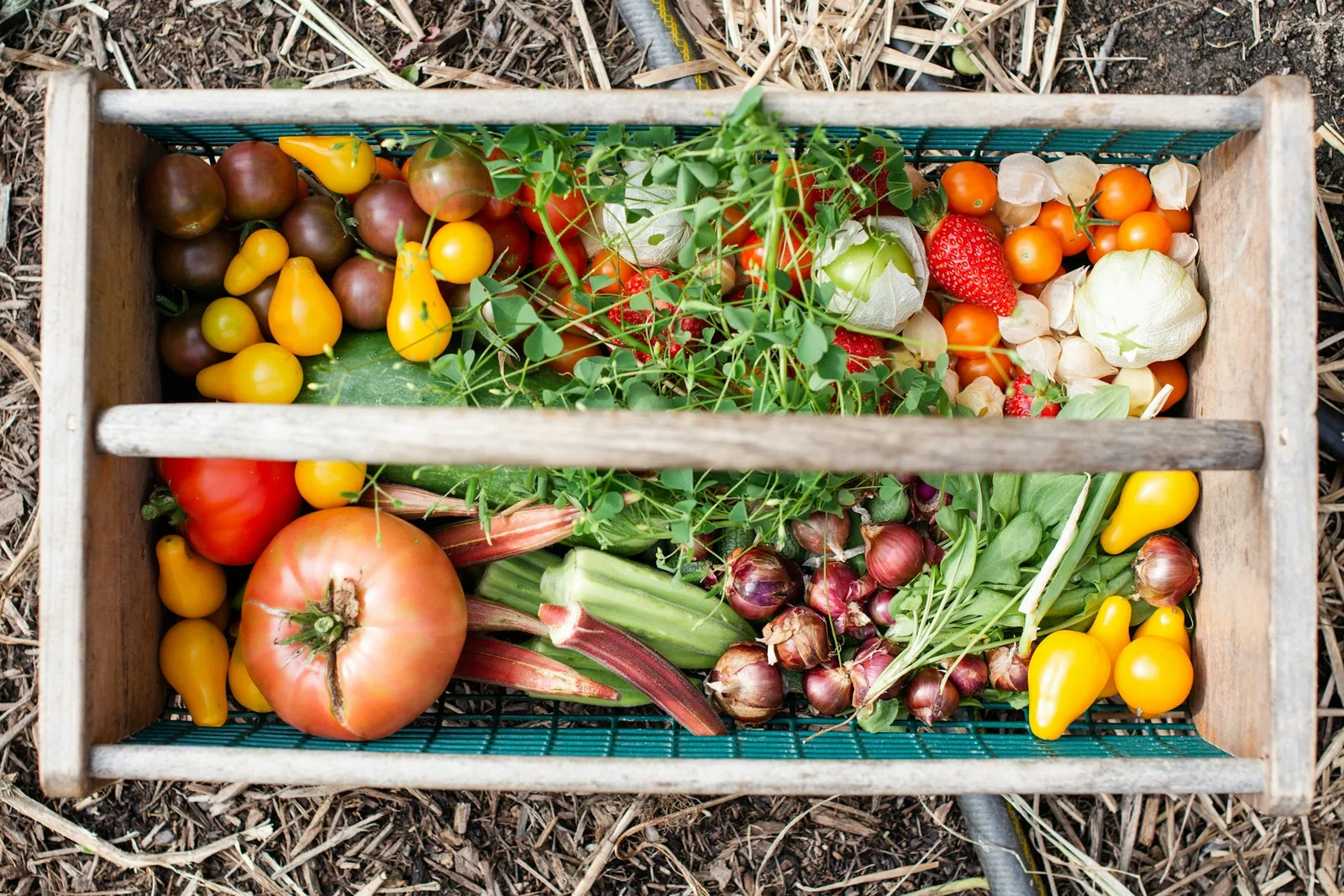
A garden plan can concentrate all its attention on planting day. Yet the harvest may arrive during a trip, a school break, or a week when nobody can cook. Thinking about the end of a crop's life makes the beginning more purposeful.
Work backward from real life
Mark busy periods, holidays, and likely time away. Look at the crops you want to grow and consult local information about suitable planting windows and maturity. Seed-packet estimates are useful guides, but weather and site conditions can shift the outcome.
Avoid planting everything at once by habit
Some crops suit staggered sowing; others need a different strategy. Ask a local growing guide what works for each plant. Keep a written record of the actual dates so that you can learn whether the timing met your needs.
Give the harvest a destination
List how you will use each crop: regular meals, a classroom activity, or an agreed share with neighbors. Make sure any sharing arrangement has a willing recipient. If harvest exceeds demand, review the next season's planting before assuming that more production is always better.
At the season's end, compare the plan with the harvest. What arrived at a useful time? What was missed or left unused? Those questions turn a planting calendar into a learning tool. The goal is a rhythm of growing and eating that your household or community can maintain.
A place to begin
- Mark absences before choosing planting dates.
- Use crop-specific timing guidance.
- Decide how each harvest will be used.
Further reading
Independent educational resources to deepen your understanding. References do not imply an affiliation or endorsement.